The Vinho Verde Region is the largest demarcated wine region in Portugal, located in the north-west of the country, in the area known as Entre-Douro-e-Minho. The name "Vinho Verde" (green wine) refers to the region of origin and to the young, fresh style of the wines, not to their colour, which can be white, red or rosé.
The region lies in north-west Portugal and is characterised by green, lush landscapes, which is linked to one of the theories behind the region’s name. The climate is influenced by the Atlantic Ocean, being colder and more humid, which contributes to the acidity and freshness of the wines produced. The soil is predominantly granitic.
The Vinho Verde Demarcated Region is divided into 9 sub-regions: Amarante; Ave; Baião; Basto; Cávado; Lima; Monção e Melgaço; Paiva; Sousa. Vinho Verde wines are generally light, fresh and with good acidity.
The Whites are the most famous. They can be citrine or straw-coloured, with fruity or floral aromas. The Alvarinho grape, from Monção e Melgaço, is particularly prestigious, showing more structure and complexity. Other important white grapes include Loureiro. The Rosés have a slightly pink colour, freshness and aromas reminiscent of red fruits. The Reds have an intense red colour, may have pink or bright-red foam and aromas that recall wild berries. Finally, Sparkling wines are also produced in this demarcated region and are entitled to the denomination of origin. The certification, control and promotion of the wines of this region are the responsibility of the Vinho Verde Region Viticulture Commission (CVRVV).
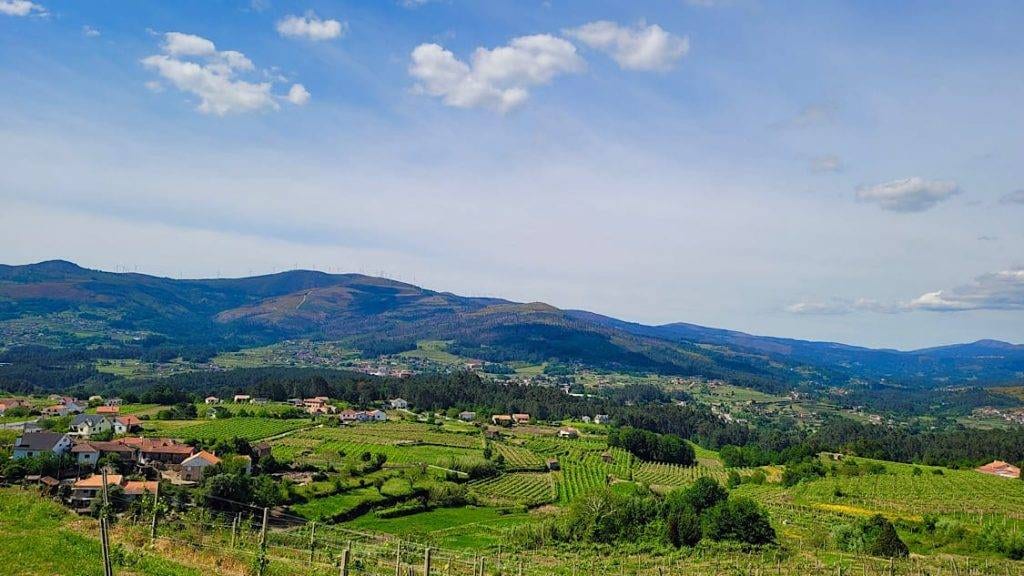
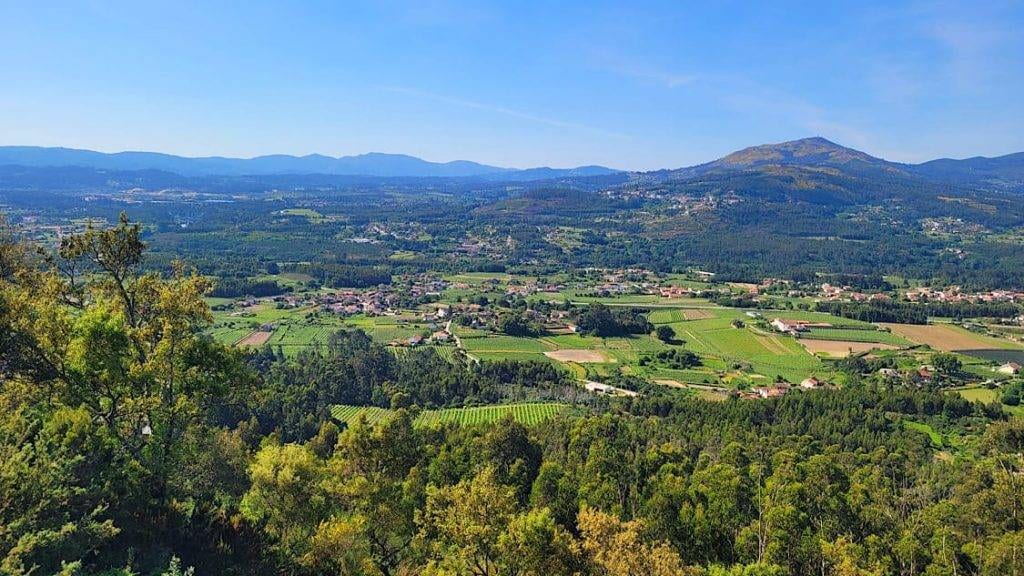
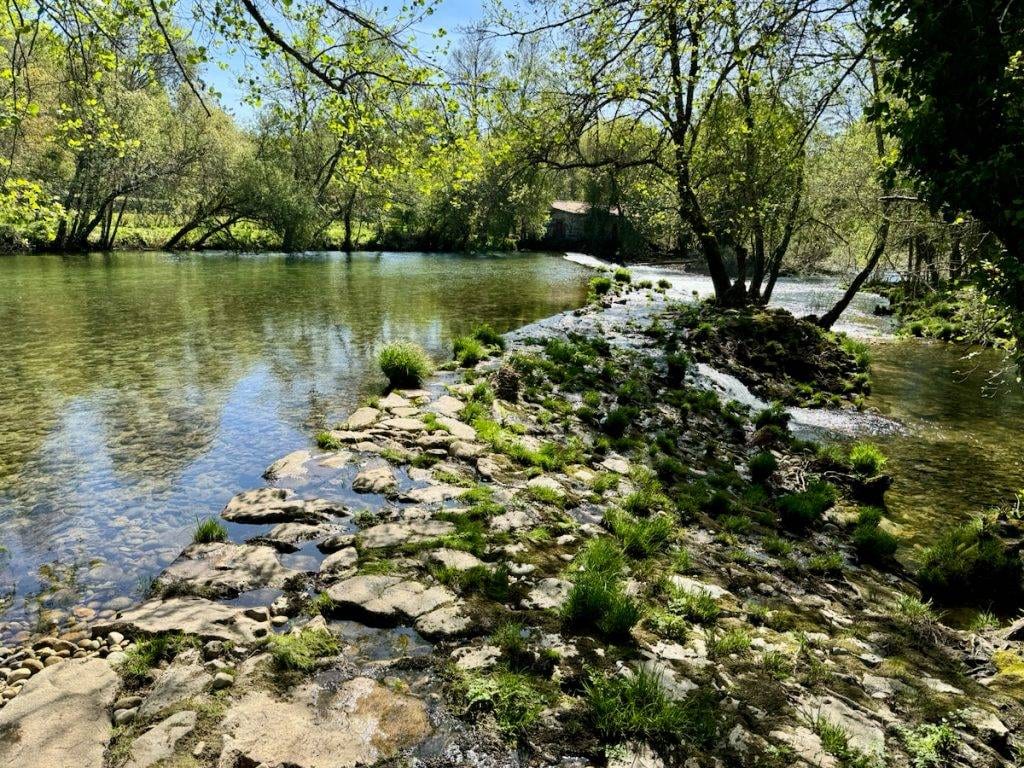
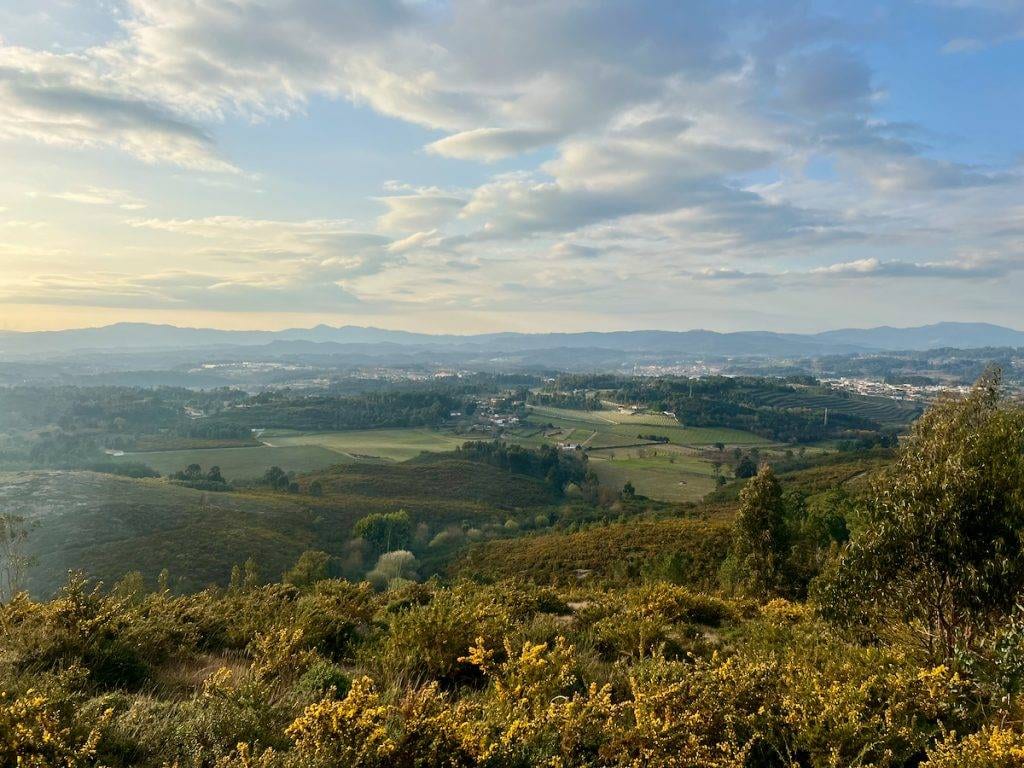
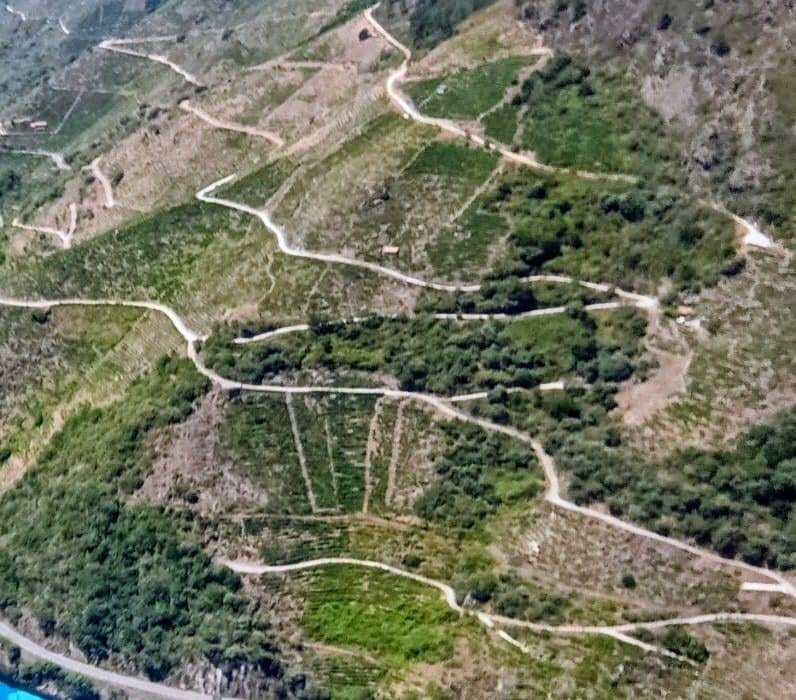
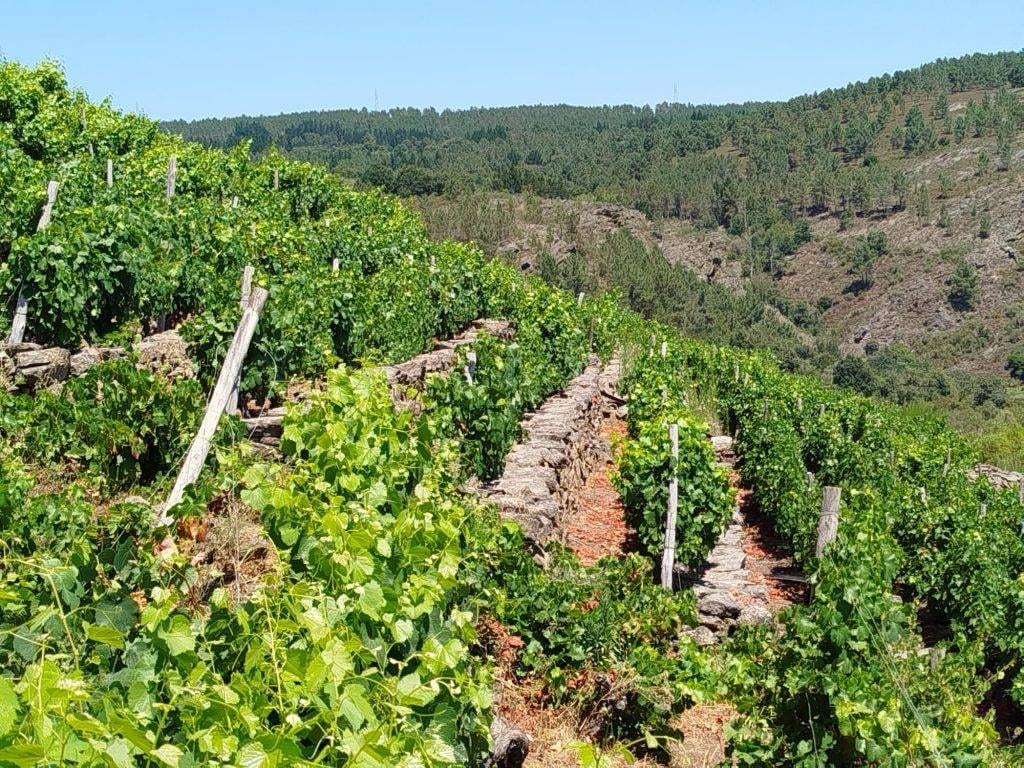
Vinhão is the most planted and emblematic red grape of the Vinho Verde Region, and both Ponte da Barca and Arcos de Valdevez belong to the demarcated region, specifically to the Lima sub-region.
Vinhão is known for its dark, opaque and intense colour, due to its reddish pulp and juice (it is a "teinturier" grape), unlike most red varieties, whose juice is colourless. It produces red wines with marked acidity and strong flavours, often with notes of wild berries. It is an authorised and recommended grape in the production of red Vinho Verde. In the Douro, this grape is known as Souzão and is used in the production of Port wine.
Both municipalities are located in the Lima sub-region, one of the nine sub-regions that make up the Vinho Verde Demarcated Region. In this sub-region, two main grapes are favoured: the Loureiro (white) and the Vinhão (red).
The Ponte de Lima Cooperative Winery is one of the leading producers in the Lima sub-region, making wines from both grapes. The inclusion of these municipalities in the demarcated region allows them to produce wines with the Vinho Verde Controlled Denomination of Origin (DOC).
Carvalha House is located very close to these two beautiful towns of the Alto Minho, about 4 km from Arcos de Valdevez and 1 km from Ponte da Barca, and we believe it can be a beautiful and comfortable refuge after an intense day of sightseeing, contact with nature, the people and the region’s famous cuisine …accompanied by a wine of excellence, several of which are award-winning, for example at the prestigious Brussels World Competition.
Visit our website: www.carvalhahouse.pt or our page on Facebook and Instagram. Follow us — we would love to surprise you.