
Nowadays, Christmas is all about lights, music, shows, gifts, and lots and lots of emotion in relationships between people, companies, and families. This frenzy lasts throughout the Christmas season, with a special holiday period established for the festive celebration of this date, and even a subsidy to fuel the commercial intensity that surrounds this time of year.
This was not always the case, and symbols associated with these days were adapted, taking on different forms of celebration, starting with the meal that is usually prepared to mark these festivities, which varies according to the times and geographical locations.
Many centuries ago, in ancient times, these celebrations were pagan in nature and coincided with the winter solstice, as this was when the arrival of winter was celebrated. They worshipped the Sun God with the aim of renewal, a time when the days begin to grow longer again.
From the 4th century onwards, with the consolidation of the Catholic Church in Rome, the festival was officially recognized as Christmas, or the birth of Jesus. As the exact date of Jesus' birth is unknown, this was a way of Christianizing the pagan Roman festivals, giving them new symbolism. Since then, Christmas has been celebrated in many countries, usually marked by celebrations of renewal and birth.
When we talk about the birth of Christ, the image that most often comes to mind is the nativity scene, which depicts the setting where the baby Jesus was born, with all its familiar elements: the Holy Family, consisting of Jesus, Joseph, and Mary; the three wise men; the angel; and the star. It was in the 13th century, in Italy, that St. Francis wanted to recreate the scene of Jesus' birth to explain to the people how it would have happened.
The three wise men went in search of Jesus to worship him and bring him gifts. This religious tradition also inspired the custom of exchanging gifts at Christmas, although today commerce has given new meanings to this practice. The stars on top of Christmas trees are precisely the sign followed by the wise men to find the place where Jesus was born.
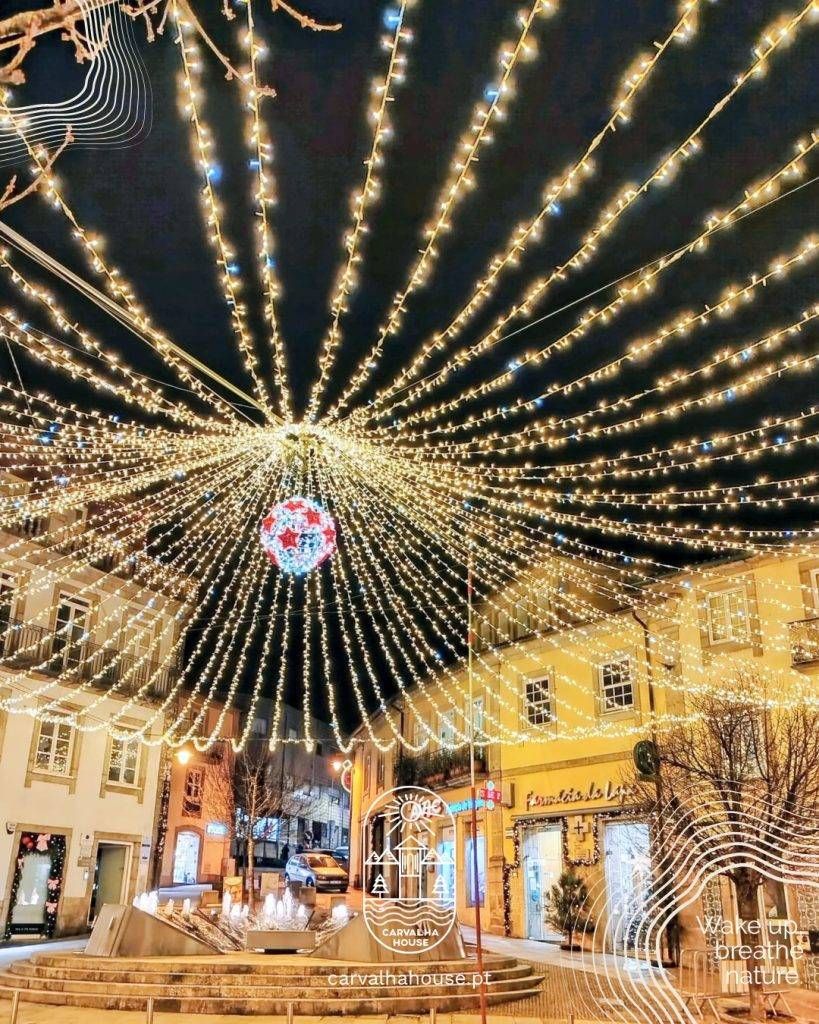
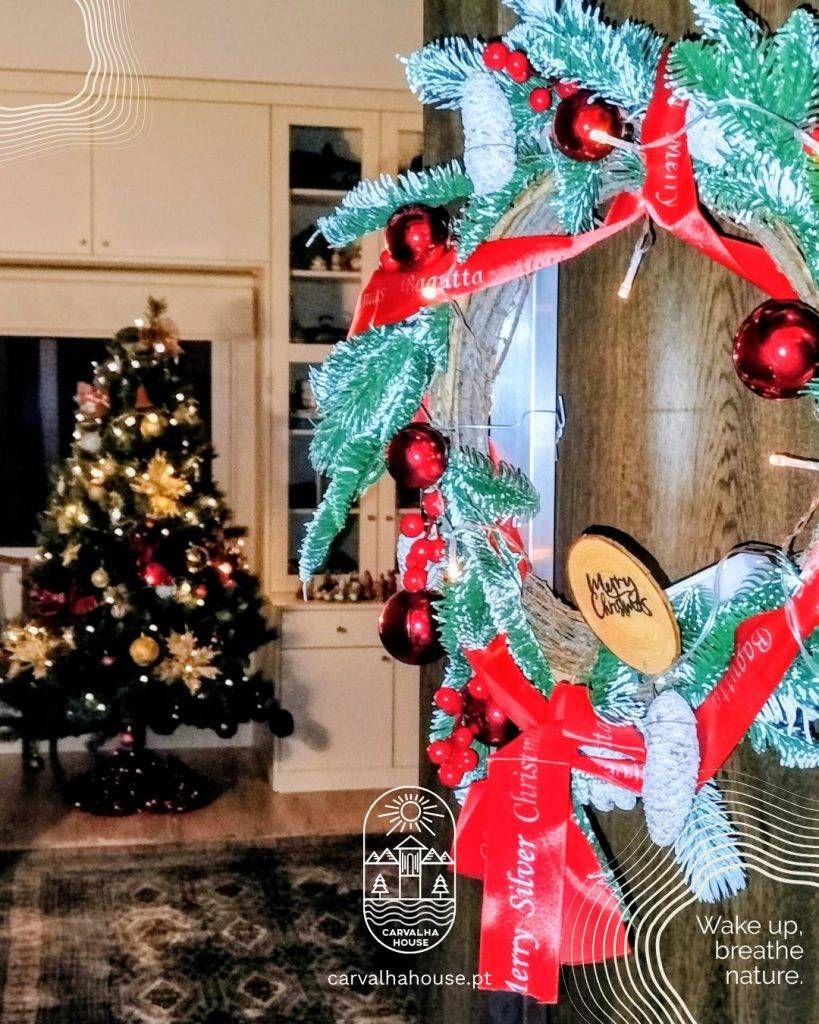
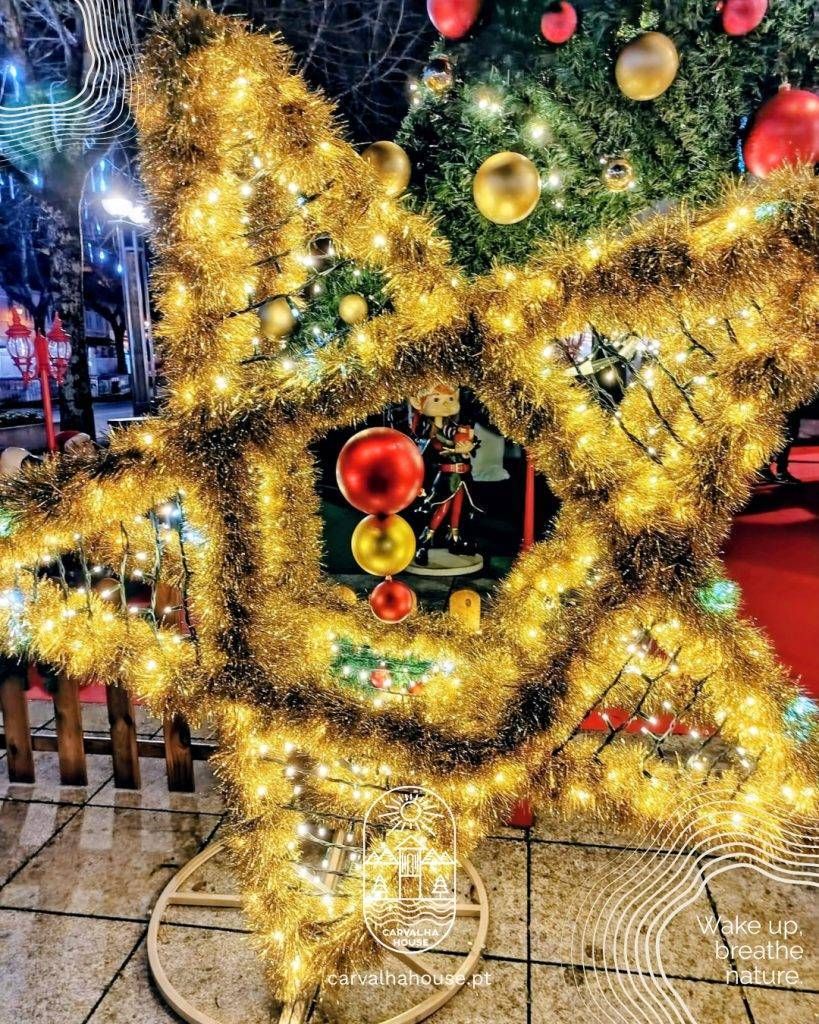
Although they are called kings, in fact, the three wise men were sages who traveled from their lands to visit the Baby Jesus and worship him. Belchior came from Europe, Gaspar from Asia, and Baltazar from Africa, lands known at the time, since the Americas had not yet been discovered. The gifts offered by the magi each have a symbolism, identification, and recognition of Jesus as King.
The gold, offered by Balthazar, represents royalty. Gold was used as an offering to the gods. The frankincense, offered by Caspar, represents divinity. Frankincense was used in acts of purification. The myrrh, offered by Melchior, represents the human aspects of Jesus. Myrrh was used as a medicine.
In Spain, the more traditional people exchange gifts on Three Kings Day rather than at Christmas. At the end of the afternoon on the 5th, the celebrations begin, with parades featuring traditional clothing, floats, wigs, and makeup.
In Portugal, many people take down their Christmas trees on Three Kings Day, marking the end of the festive season. There is a tradition of eating bolo-rei, a cake with candied fruit that contains a bean. Whoever finds the bean has to provide the cake the following year. Many people go from door to door singing “as janeiras,” popular Christmas songs linked to Christian tradition.
The Christmas tree is one of the most famous symbols of Christmas. The custom of decorating trees comes from ancient European traditions and gained momentum in Medieval Germany. There, people would set up the “tree of Paradise,” inspired by the Garden of Eden, and decorate it with apples and other fruits. Christmas takes place in the European winter, and the pine tree is the most commonly used tree in this celebration because it resists the cold and symbolizes hope and peace.
The figure of Father Christmas is inspired by Saint Nicholas, a Turkish bishop who lived in ancient times and also has strong symbolism during the Christmas season. Over time, and through writers such as Washington Irving (1783–1850) and advertising campaigns, the figure of Saint Nicholas took on new characteristics and gave way to what we now know as Santa Claus. Instead of coins, the jolly old man leaves gifts for children who have behaved well throughout the year.
Here, we continue to celebrate Christmas as a time dedicated to family, with codfish for everyone at the table on Christmas Eve, or stuffed turkey depending on the region, with games and family gatherings, such as the unforgettable game of Rapa and the exchange of gifts.
Also in Arcos de Valdevez, a visit to the Porta do Mezio Enchanted Forest is becoming a tradition. It offers various surprises and activities for all ages, from music and theater to spaces dedicated to children, ensuring moments of joy and fellowship.
Carvalha House is here to warmly welcome all those who visit the region during this very special time of year.
Visit our website: www.carvalhahouse.pt or our Facebook and Instagram pages. Follow us! We want to surprise you.

